A home at the edge of Gatineau Park.
Eight years, one breed, and one rule that has never changed: never more puppies than I can know by name.
It started with a dog I never intended to breed.
Brume, my first Havanese, had a temperament our vet called remarkable — curious, affectionate, able to settle within minutes even after a busy visit. She's the one who suggested, after two years of screenings, that a litter was worth trying.
That first litter taught me the essential thing: a puppy handled calmly every day, in a quiet room, grows into an adult who keeps its composure for life. A puppy that's rushed, even without ill intent, takes years to recover — sometimes never fully.
Eight years later, I still breed only one breed, in the house, in Chelsea. No kennel building, no separate structure: litters are born in a quiet room on the ground floor, steps away from the Gatineau Park trails where our adult dogs walk every day.
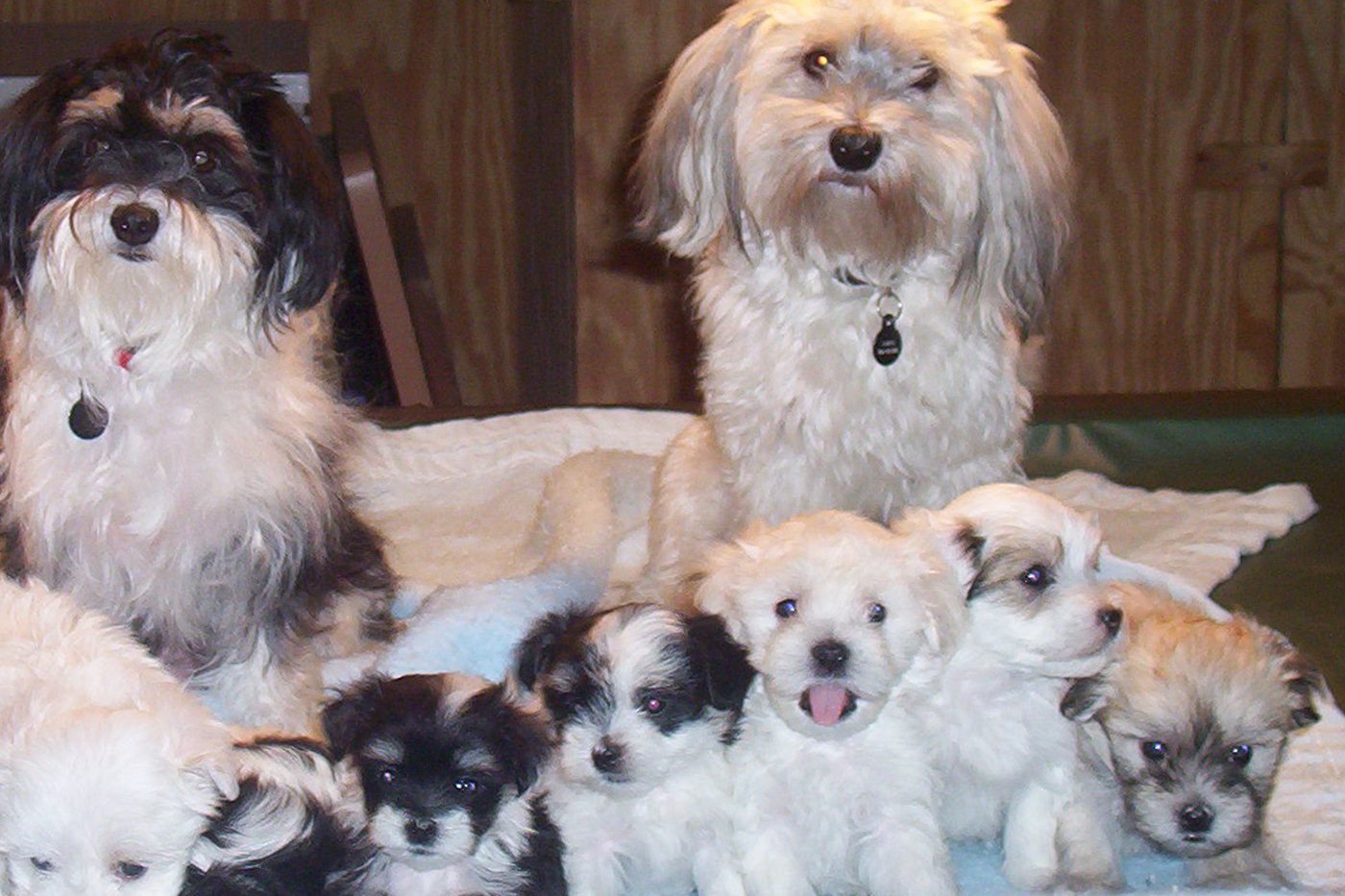
The Havanese, and nothing else.
We don't diversify. Knowing one breed well beats skimming five.
Origin and build
Descended from the Blanquito de la Habana, a companion dog of Cuban aristocracy, the Havanese is a sturdy little dog: 7 to 13 lbs as an adult, 8.5 to 11.5 inches at the shoulder.
Worth knowing: a generous lifespan, often 14 to 16 years. That's a real generational commitment.
Temperament
Sociable, playful, deeply attached to its people — built to live close to you, not at the back of the yard. Comfortable with children and with seniors alike, and remarkably well suited to apartment living.
Worth knowing: it copes badly with long stretches alone. This is not a dog for a home that's empty ten hours a day.
Coat care
A long, silky, double coat that sheds very little — appreciated by allergy-sensitive families, without being truly hypoallergenic (no dog really is).
Worth knowing: brushing several times a week, or a short maintenance clip. We say so plainly before any reservation.
The Havanese is the national dog of Cuba. Its small size hides a surprisingly sturdy dog and a formidable backyard bug-chaser — don't mistake it for a fragile lapdog that stays on a cushion all day.
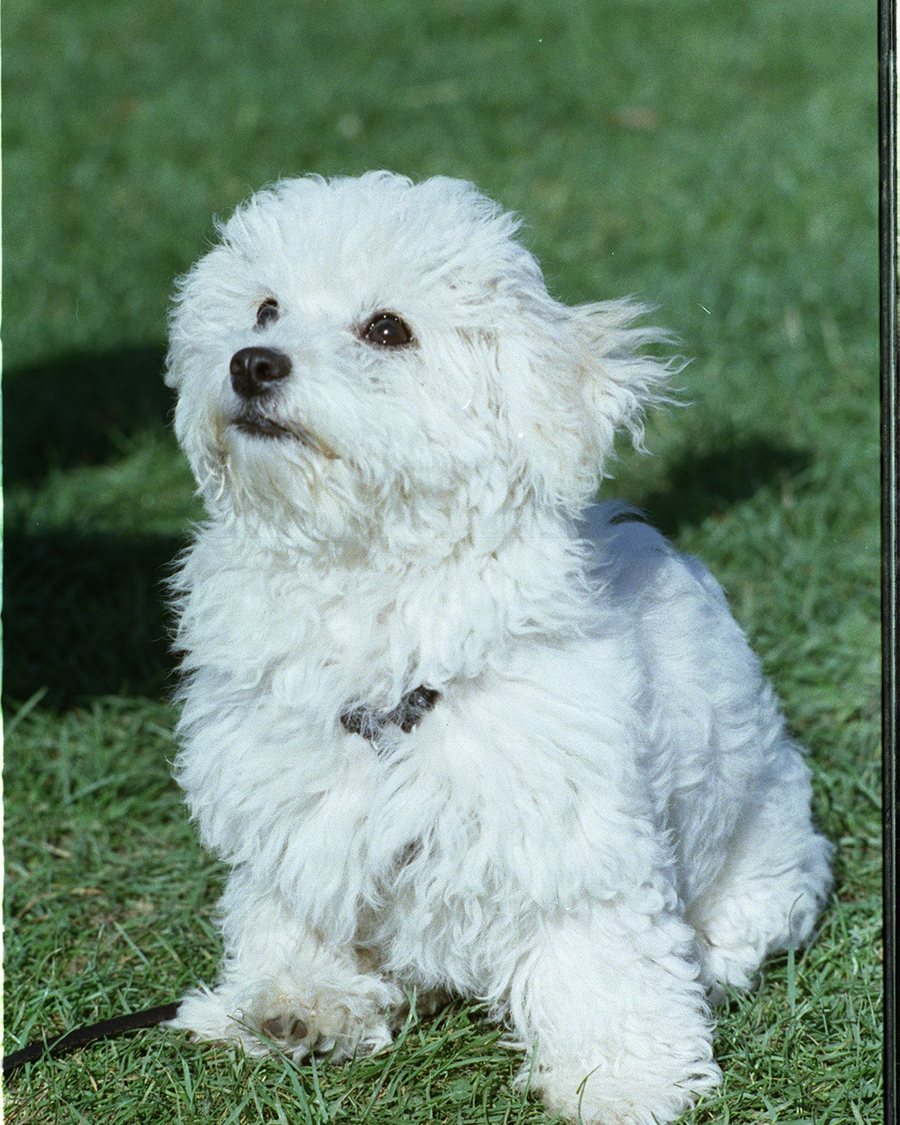
What we screen for, and what we guarantee.
No breeding happens until both of our breeding dogs have completed the screenings recommended for the breed. Certificates are handed to you in person — not summarized, not "available on request".
Patellas and hips
Orthopedic evaluation of both parents before mating — luxating patella is the most common weak point in the Havanese.
Heart and eyes
Cardiac auscultation (mitral valve murmur) and an annual ophthalmological exam by a specialist veterinarian.
Bile acids
The Havanese is predisposed to liver shunts (an abnormal blood vessel connection around the liver). We have bile acids tested on every puppy before departure — a simple test that rules out this specific risk.
A two-year guarantee against serious hereditary conditions, provided in writing. Replacement or refund, your choice.
Come and see before you decide.
I welcome families by appointment, even without a firm plan. You'll see the room where the puppies are born, meet the parents, and ask the hard questions about grooming as much as health.
One piece of advice, even if you don't adopt from us: be wary of a breeder who won't show you where their dogs actually live. It's the most reliable signal there is.